Beijing · Great Wall choice
Mutianyu vs Badaling Great Wall
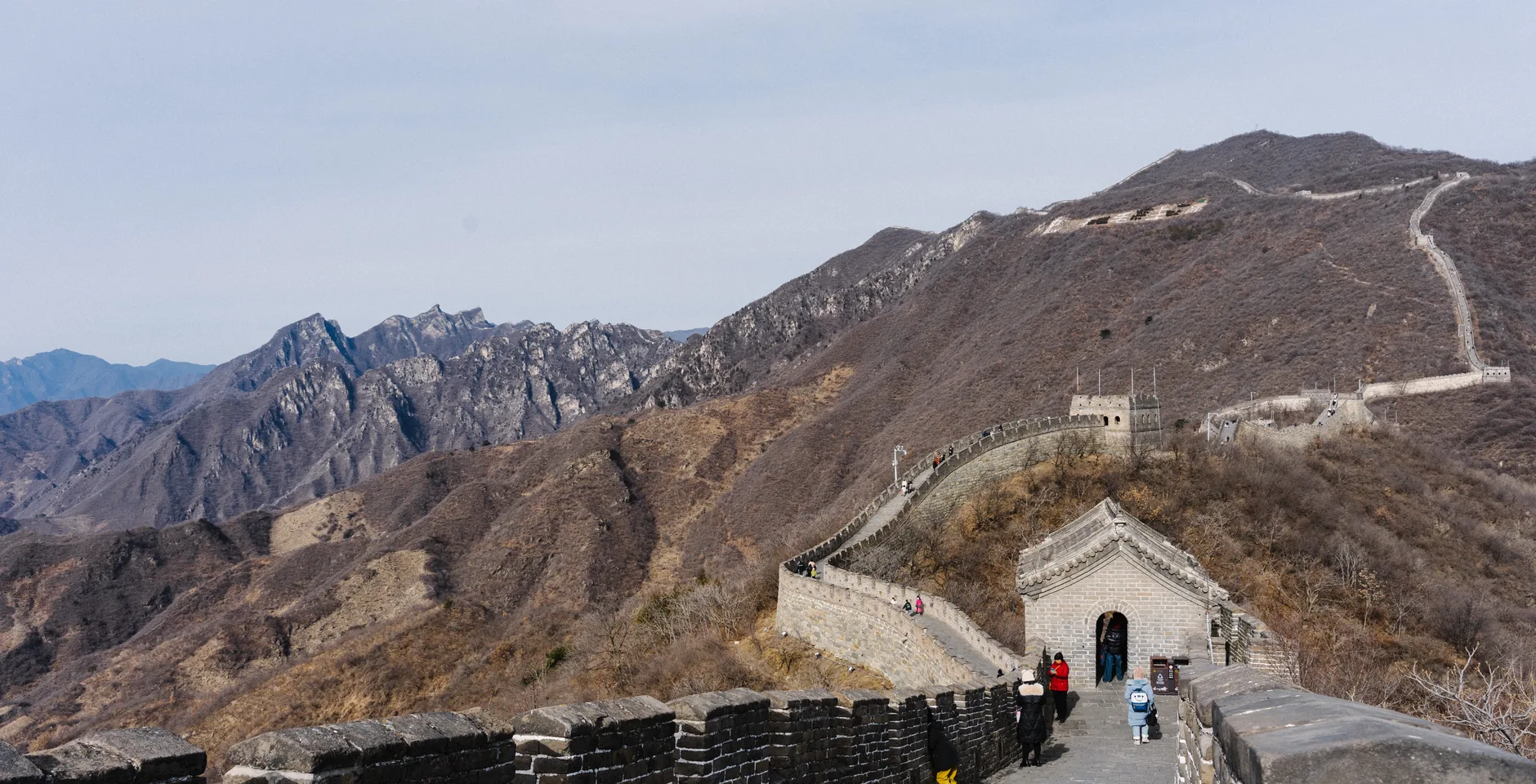
Photo: Lloyd Tudor · CC BY-SA 4.0 via Wikimedia Commons
Choose Mutianyu if
- Scenery matters more than convenience
- You prefer generally lower crowd pressure
- You want the toboggan experience
- You are comfortable using a shuttle, DiDi, or private driver
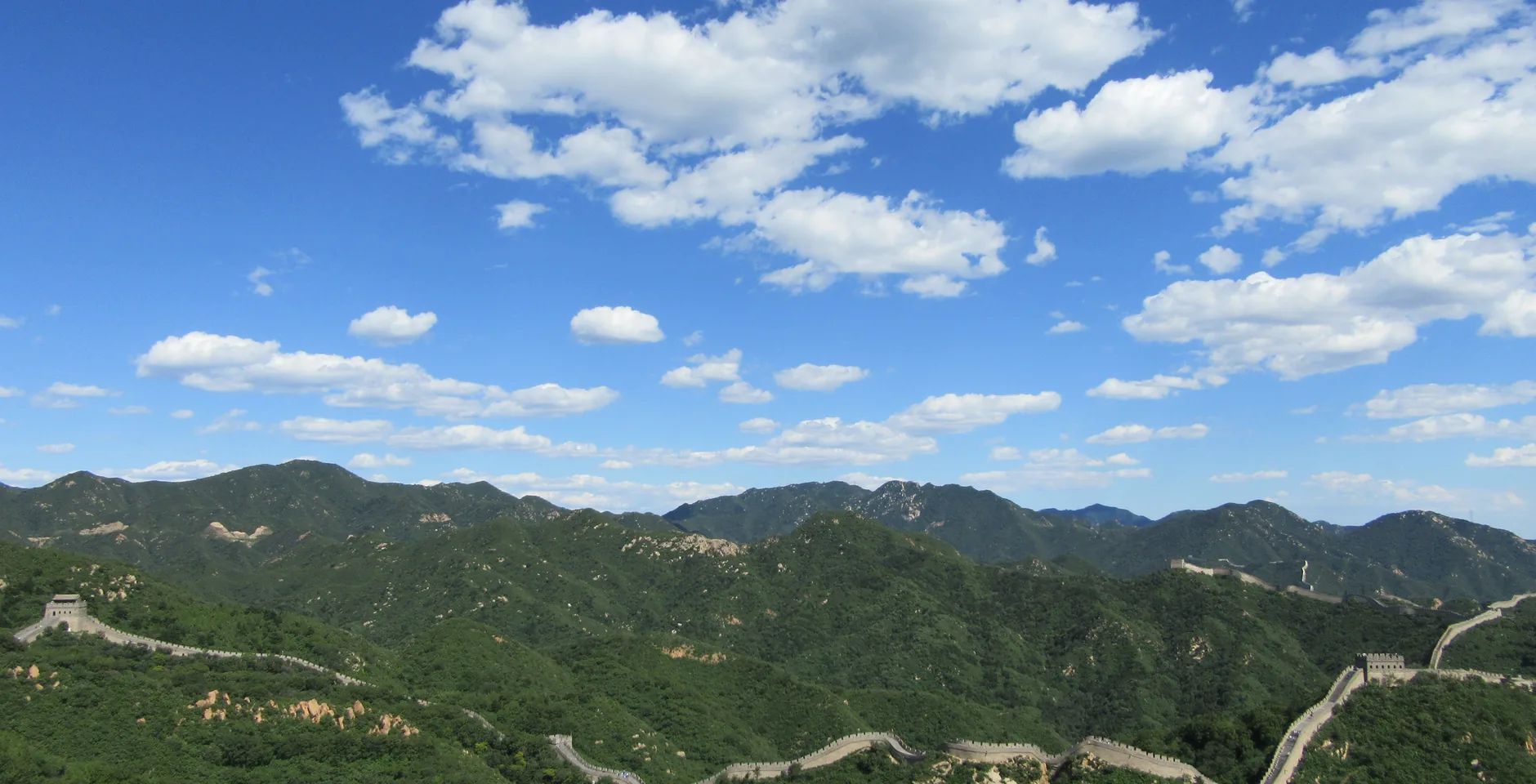
Photo: Joaquín Salido Bello · CC BY-SA 4.0 via Wikimedia Commons
Choose Badaling if
- You want the easiest independent public transport
- You value a direct rail option
- You want simpler DIY logistics
- You prioritize the most famous, iconic section
01At a glance
Mutianyu vs Badaling comparison
Every field that matters for choosing between the two.
| Field | Mutianyu | Badaling |
|---|---|---|
| Best for | A balanced first visit — scenery, restored wall, toboggan | The easiest independent day trip — direct rail |
| Transport from Beijing | Shuttle / DiDi / private driver | Train or bus |
| Door-to-door complexity | Medium | Low |
| Travel time from central Beijing | ~1.5–2 hrs | ~1–1.5 hrs |
| Public transport | No direct train | Suburban / high-speed rail options |
| Walking difficulty | Moderate — restored steps, steep sections | Easiest underfoot — smooth restored walkway |
| Crowds | Tour-bus waves midday | Heaviest overall; tour-bus waves |
| Scenery / photography | Green ridges, tower-dense skyline | Wide exposed ridge, most photographed |
| Restoration character | Restored, with wilder stretches nearby | Fully restored showpiece |
| Cable car / lifts | Cable car + separate chairlift & toboggan | Cable car; no toboggan |
| Children | Great — toboggan is a highlight | Good — cable car, even terrain |
| Older / mobility-limited | Cable car helps with the climb | Cable car + easiest terrain |
| First-time visitors | The usual first-visit pick — scenery plus a restored wall | The simplest first visit — classic view, direct rail |
| Half-day suitability | Possible with a driver or shuttle | Yes — rail is fast |
| Ticket buying | Advance online (up to 30 days) or platforms | Current official page: walk-up OK |
| Typical admission | ¥40–45 | ¥40 peak / ¥35 off |
| DIY friendliness | Medium — needs a transfer | High — direct rail options |
| Value of tours/private drivers | High — solves the transfer | Lower — rail is easy |
02Logistics
Which is easiest to reach?
Badaling — direct rail
- High-speed rail reference: Beijing North → Badaling Great Wall Station ~34 minutes (confirm on 12306)
- Suburban / bus options from northern Beijing also exist
- Lowest door-to-door complexity for DIY travelers
Mutianyu — needs a transfer
- Shuttle bus from downtown Beijing
- DiDi, private driver, or day tour for the last stretch
- Medium door-to-door complexity
Transport decision
Do not treat any single train number or shuttle departure as fixed. Use the ~34-minute Beijing North → Badaling timing as a current reference, and re-confirm before you travel — 12306 for rail, the scenic area or your operator for the Mutianyu shuttle or driver.
If the Mutianyu transfer feels heavy, see Mutianyu day tour options. For DIY Badaling rail, check schedules on 12306. If neither section answers your walking question, the Jinshanling case further down covers the longer transfer and the longer walk.
03On foot
How much walking do you actually want?
This is the biggest real difference between the two sections — bigger than scenery or crowds.
Mutianyu
A lift does most of the climb, and you can walk a short, spectacular stretch between towers. Marked paths reach the wall too if you want the climb — about 1,100 steps on each main route.
Badaling
The most forgiving underfoot: restored, even walkways. You can keep it to an hour of strolling near the entrance, or push out to the far towers for a real climb.
04Crowds
Which is less crowded?
05Scenery
Which has better scenery?
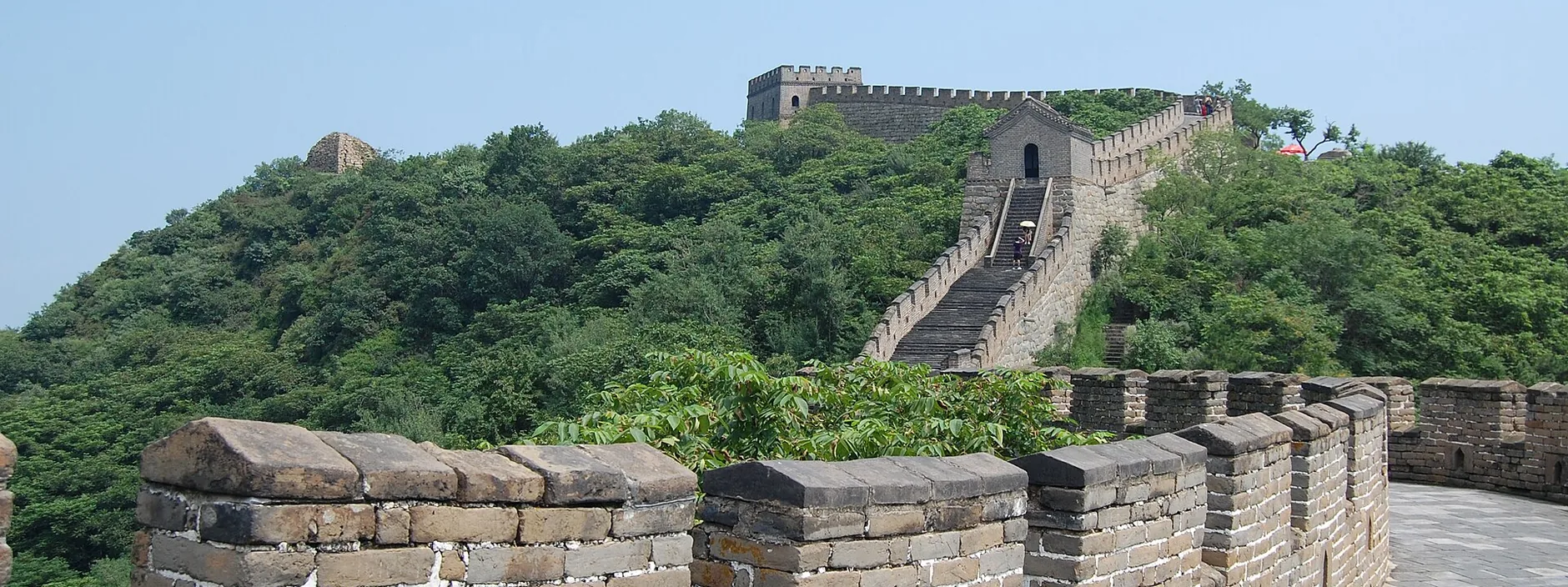
Photo: Marcin Białek · CC BY-SA 3.0 via Wikimedia Commons
Ridge-line views over greener, rolling hills. Photographers tend to prefer the texture of the wall here.
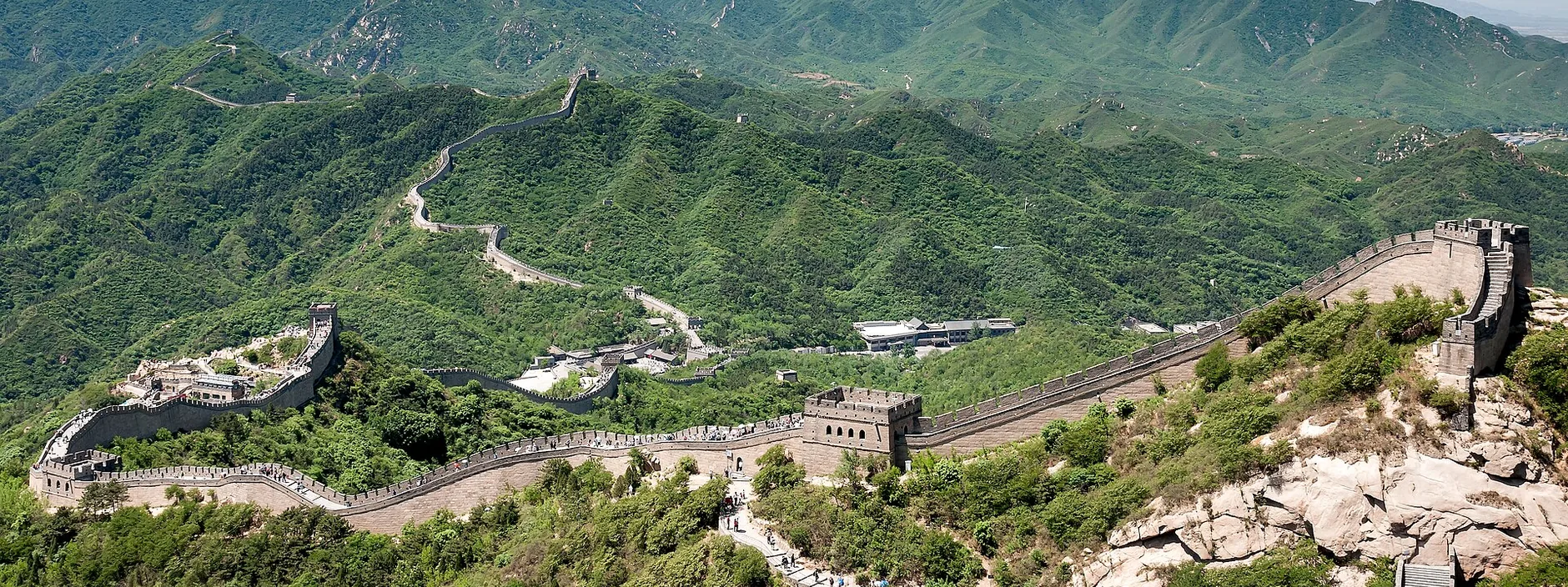
Photo: CEphoto, Uwe Aranas · CC BY-SA 3.0 via Wikimedia Commons
Wider, more exposed ridge with the most photographed view of the Wall. More restored and even underfoot.
06First-timers
Which is better for first-time visitors?
Mutianyu for first-timers
Strong "Great Wall" feeling with greener scenery and the toboggan as a memorable highlight. The transfer is the main friction — a private driver or shuttle smooths it out.
Badaling for first-timers
The most iconic, most photographed section, and the easiest to reach independently by rail. A safe, simple choice if you want the classic postcard view with minimal logistics.
07People
Families, children & older travelers
Children
Mutianyu: Toboggan is a highlight
Badaling: Cable car available, easier terrain
Older travelers
Mutianyu: Cable car helps with steep sections
Badaling: Cable car + even restored path
Groups
Mutianyu: Private driver makes it smooth
Badaling: Train keeps it simple for groups
08Up the wall
Lifts: cable cars & chairlifts
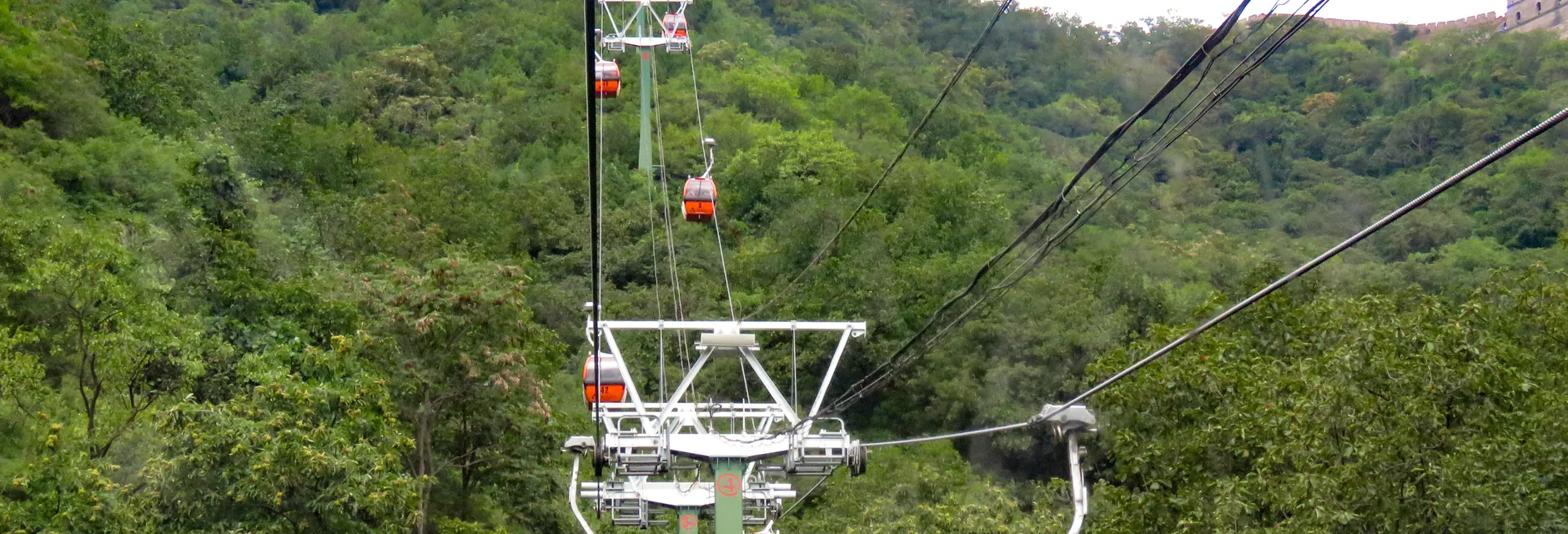
Photo: N509FZ · CC BY-SA 4.0 via Wikimedia Commons
Two systems, two companies: the cable car climbs to Tower 14, the chairlift and toboggan serve the eastern Tower 6 side. Tickets are not interchangeable.
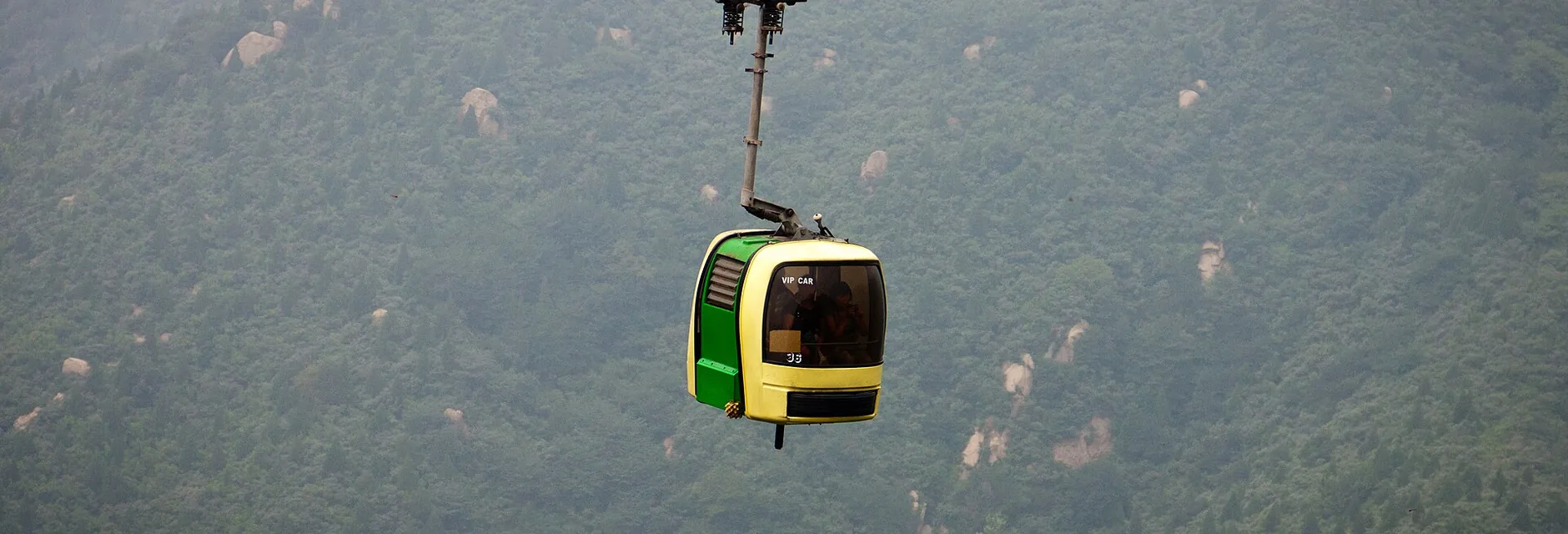
Photo: Nikolaj Potanin · CC BY-SA 2.0 via Wikimedia Commons
Cable car available. No toboggan. Rail stations serve the entrance area — confirm walking or shuttle links for your arrival station on the day.
Mutianyu — two systems
An enclosed cable car and a separate open chairlift with a toboggan run. Two companies, two ticket types, two gates — choose the system that matches your up-and-down plan.
Badaling — one cable car
A cable car shortens the steepest approach; there is no toboggan. If you arrive by rail, confirm how the station connects to the lift you plan to use.
Decided on Mutianyu? The step-by-step version — which gate, which ticket, current prices — lives on how to do Mutianyu: transfers, tickets and lifts.
09Time
Half-day or full day?
Mutianyu
Possible as a half-day trip if you book a private driver or shuttle that handles the transfer efficiently. Public transport makes it tight.
Badaling
Excellent for a half-day trip when rail runs smoothly, so you can be back in Beijing by early afternoon.
10Money
Tickets, DIY vs tour cost
- Mutianyu admission
- ¥40–45
- Badaling admission
- ¥40 / ¥35
- Mutianyu cable car
- ¥100 / ¥140
- DIY (Badaling rail)
- ¥35–40 + rail
- Shuttle / day tour
- Varies
- Private driver
- ¥300–600+
Official booking system; details on the Mutianyu page
Peak / off-season
One-way / round-trip, per person
Cheapest DIY path
Solves the Mutianyu transfer
Most convenient — Mutianyu has no direct train
Check Mutianyu ticket options · See current Badaling tickets
11Decision
Final recommendation
Pick Mutianyu
If you want a balanced first visit — scenery, restored wall, lifts including the toboggan — and you are fine arranging a shuttle or driver.
Pick Badaling
If you want the easiest independent trip, value direct rail, prefer simpler DIY logistics, or want the most iconic, most photographed section.
12Secondary option
Neither fits? Consider Jinshanling if hiking is your priority.
Jinshanling is not a third equal option on this page: it is the case for travelers who want to walk the wall rather than visit a viewpoint — and who accept the longest transfer from Beijing.
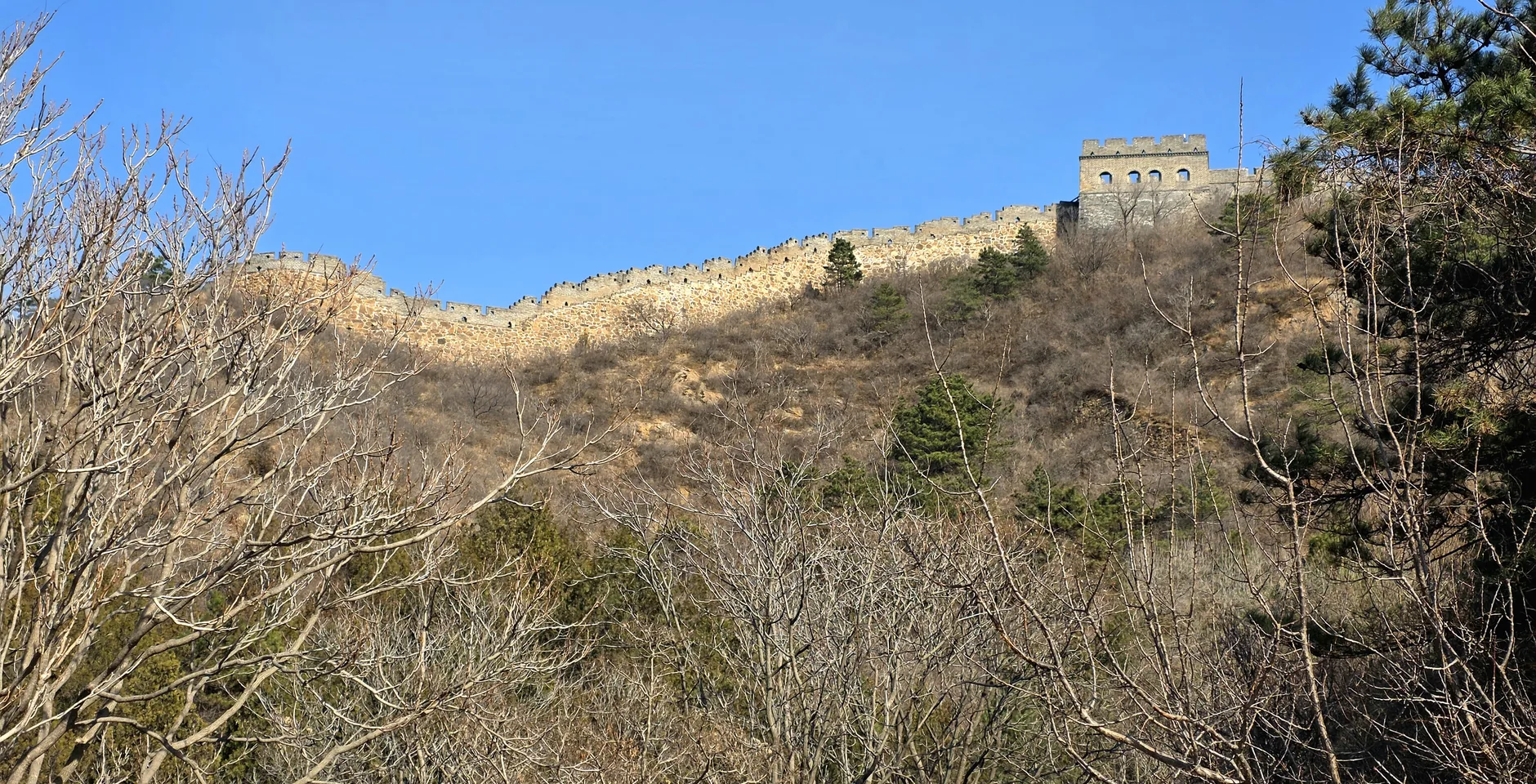
Photo: Richard Mortel · CC BY 4.0 via Wikimedia Commons
Choose Jinshanling if
- You want to walk a long stretch of wall, not just visit it
- Photography and original masonry matter more than convenience
- You accept roughly 2–2.5 hours of travel each way
- You are ready to book a direct bus, driver, or tour
- Distance from Beijing
- About 130 km
- Getting there
- Bus / driver / tour
- Admission & ropeway
- ¥65 peak / ¥55 off
In neighboring Hebei (official description)
Direct bus on weekends and public holidays; roughly 2–2.5 hours each way, so plan a full day
Ropeway sold separately from admission; it shortens the climb, not the wall walk
The wall itself is the attraction: 10.5 km of it with 67 watchtowers (official figures), laid over a long, exposed ridge. You are not visiting a viewpoint — you are walking the wall, tower after tower.
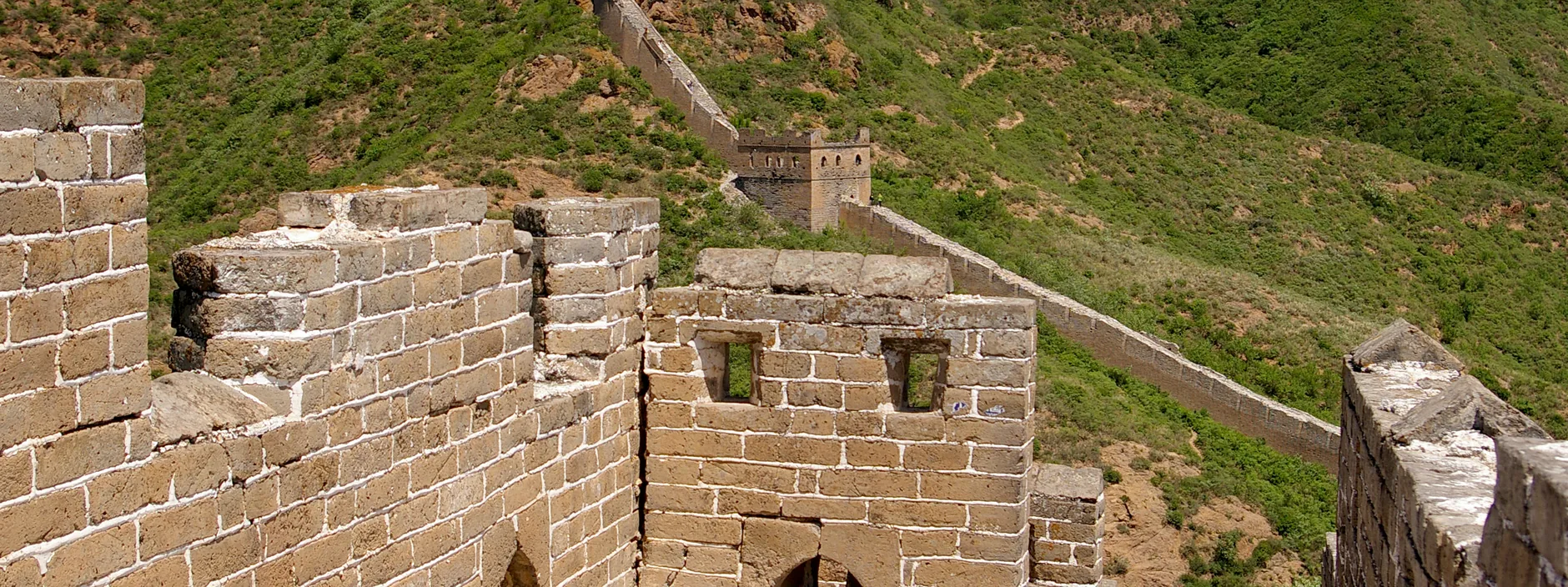
Photo: Jakub Hałun · CC BY-SA 4.0 via Wikimedia Commons
Long, sweeping ridge lines with tower after tower following the contours. Dense and dramatic rather than picture-postcard — officially described as a photographers' favourite.
Was this answer helpful?
Thanks — this helps us improve the page.
Common questions
Common questions
Is Mutianyu always quieter than Badaling?
No. Crowds depend on time of day, weekday vs weekend, tour-bus arrival waves, and season. An early weekday visit to Badaling can be quieter than arriving at Mutianyu during a major tour-bus wave. Avoid weekends, public holidays, and mid-morning at either site.
Which is easier to reach without a car?
Badaling. High-speed and suburban rail options from Beijing are simpler than Mutianyu, which needs a shuttle, DiDi, or private driver for the last stretch. As a current reference, Beijing North → Badaling Great Wall Station is about 34 minutes by high-speed rail. Confirm the exact train and timetable on 12306 before you go.
Can I visit as a half-day trip?
Badaling: yes — rail is fast enough to be back by early afternoon. Mutianyu: possible if a private driver or shuttle handles the transfer. Jinshanling: no — the distance (about 130 km) and the walking make it a full-day plan, not a half-day one.
Is the toboggan at Mutianyu suitable for kids?
Yes — the toboggan (slide) is one of the main reasons families choose Mutianyu. Note that the enclosed cable car and the ropeway/slide are different operating systems — tickets are not interchangeable. Check current height/age rules before booking with young children.
Which is better for older travelers?
Both have cable cars. Badaling has more even, restored terrain at the top, which makes walking easier. Mutianyu has steeper sections but excellent ridge views from the cable car stations.
Do I need to book tickets in advance?
Mutianyu: the current Chinese official site allows booking up to 30 days ahead (do not rely on older English-page “15 days” wording). Badaling: as of our last check, the official page indicated no reservation was required and on-site purchase was available — still re-confirm before peak holidays. Jinshanling: booking is real-name based; confirm the current official channel for your travel date, especially if you carry a foreign passport. Commercial platforms remain useful for English checkout and bundled lift options.
Which section should I choose for a first visit to China?
Mutianyu is the usual first-visit pick — restored wall, strong scenery, lifts, and a shape that fits a comfortable half or full day. Badaling is the simplest when you want direct rail and minimal planning. Jinshanling asks for more travel time and more walking, so it suits travelers who want the hiking-and-photography day rather than the easiest one.
Is Jinshanling less crowded than Mutianyu and Badaling?
Usually lighter — but do not book it expecting an empty wall. Tour groups reach Jinshanling on weekends and public holidays, and sunrise and sunset photography crowds gather at the main viewpoints. Traveler reports consistently describe it as calmer than Badaling outside those windows. Treat that as reported experience, not a guarantee, and check holiday dates before you commit.
How do I get to Jinshanling from Beijing?
The scenic area sits about 130 km from central Beijing (official description). A direct tourist bus from Beijing runs on weekends and public holidays, and drivers or tours cover it on other days. Door-to-door time is roughly 2–2.5 hours each way. Departure times change seasonally, so confirm before you book. Do not rely on a timetable printed in an older guide.
Can I hike from Jinshanling to Simatai?
The two sections are physically connected, and licensed operators run Jinshanling-to-Simatai-West hiking days that walk roughly 6–7 km of wall. This is not a casual stroll: expect several hours on uneven, exposed ridge terrain. Open stretches and access rules change, so treat any through-hike as something to confirm on site or through an operator — not something to assume.
Is Jinshanling good for families or older travelers?
Less so than Mutianyu or Badaling. The point of Jinshanling is walking the wall over a long ridge. The ropeway only shortens the climb — it does not turn the wall into a promenade. Children who enjoy hiking will love it; travelers who need short, smooth, assisted routes will do better at Badaling.
Official sources and updates
Plan your visit
- 01Mutianyu Great Wall Chinese visitor notice — 30-day booking; cable car vs ropeway/slide not interchangeable
- 02Mutianyu Great Wall official scenic area (EN)
- 03Badaling Great Wall official scenic area site
- 04Jinshanling Great Wall official ticket platform (Chengde) — seasonal prices, discounts, gates and ropeway rules
- 05Chengde Municipal Government — Beijing–Jinshanling direct bus resumed (weekends and holidays, April 2025)
- 06Chengde Municipal Government — Jinshanling conservation project, phase one completed (October 2025)
- 07China Railway 12306 — confirm Badaling-area trains (do not rely on fixed schedules)
Visitor accounts
13Take action
Your next steps
Choose your Great Wall booking route
Recommended purchase plan
Other booking options
Viator Mubus Mutianyu day tour
Mutianyu day-tour alternative
Viator Mutianyu ticket
Second Mutianyu ticket channel
Klook Mutianyu day tour
Klook transfer-friendly day option
Viator Badaling ticket
Badaling entry alternative
Viator Badaling private transfer
Private transfer option
Check rail on 12306
Official DIY schedules
Some links are sponsored. Official DIY options (12306 rail + scenic-area tickets) remain recommended when they fit your trip; for Jinshanling, book through the scenic area or a licensed operator.